We don't pitch products. We ship them.
We build mobile and web applications for founders and companies, and our own products alongside them.
- Android & iOS apps
- Web & SaaS platforms
- MVPs that reach real users
- AI where it earns its place
- Positioning & launch
We were our own first client.
1
Product of our own
Zournaly, designed, built and released in-house.
146
People in early access
Testing Zournaly on Android since August 2026.
4
Disciplines, one team
Strategy, design, engineering and launch.
0
Handoffs in between
The people who plan it are the people who ship it.
The launch campaign
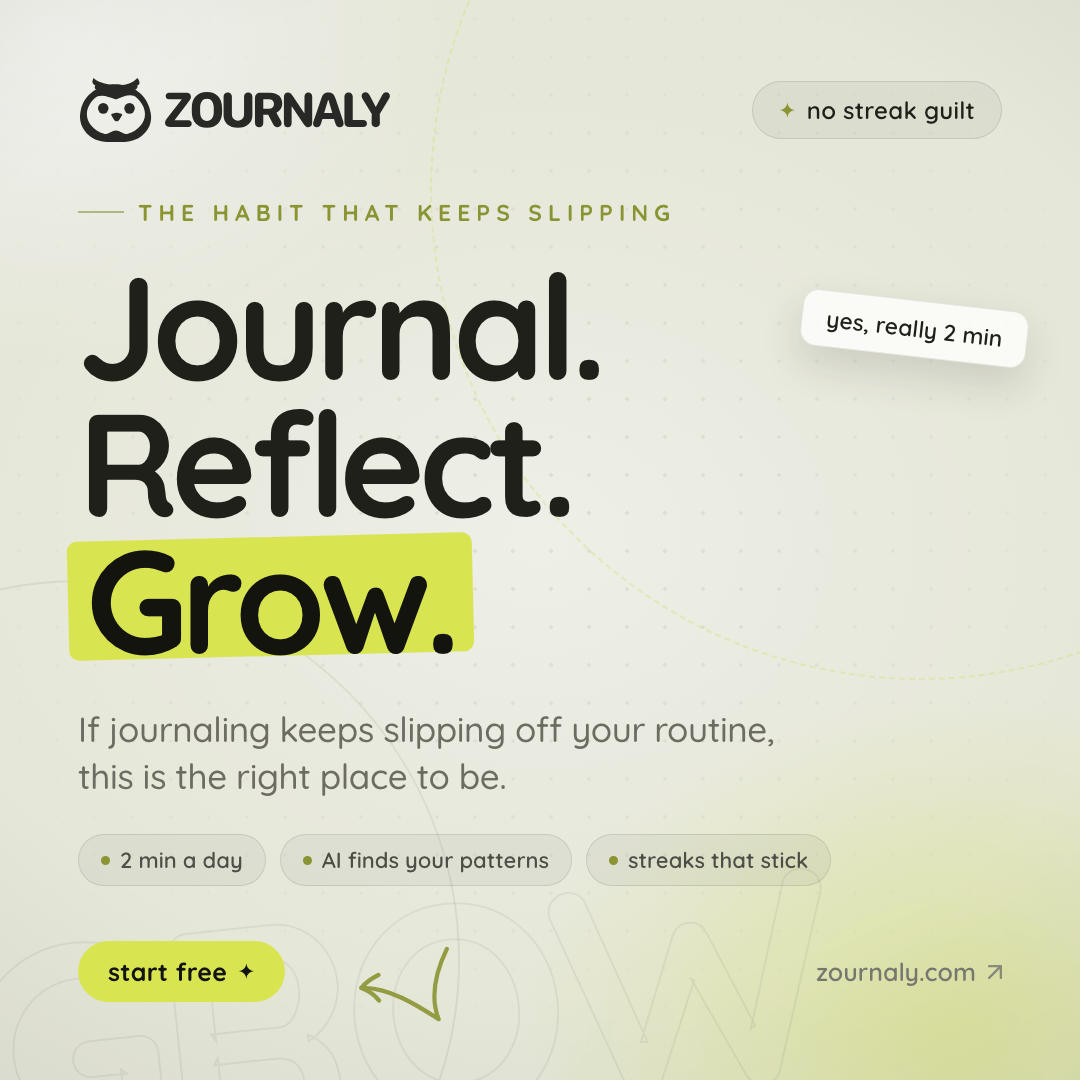
Positioning
Journal. Reflect. Grow.
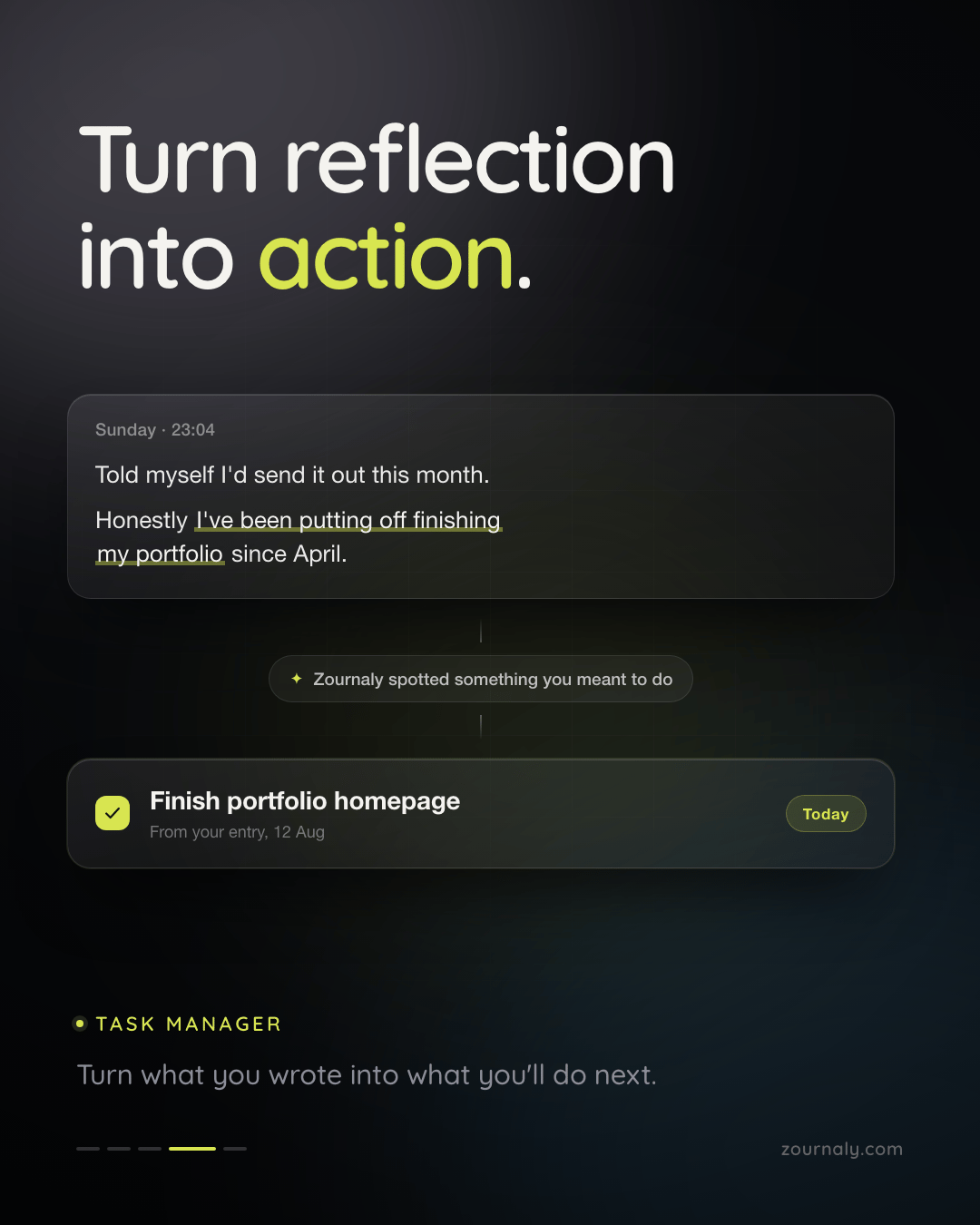
Feature story
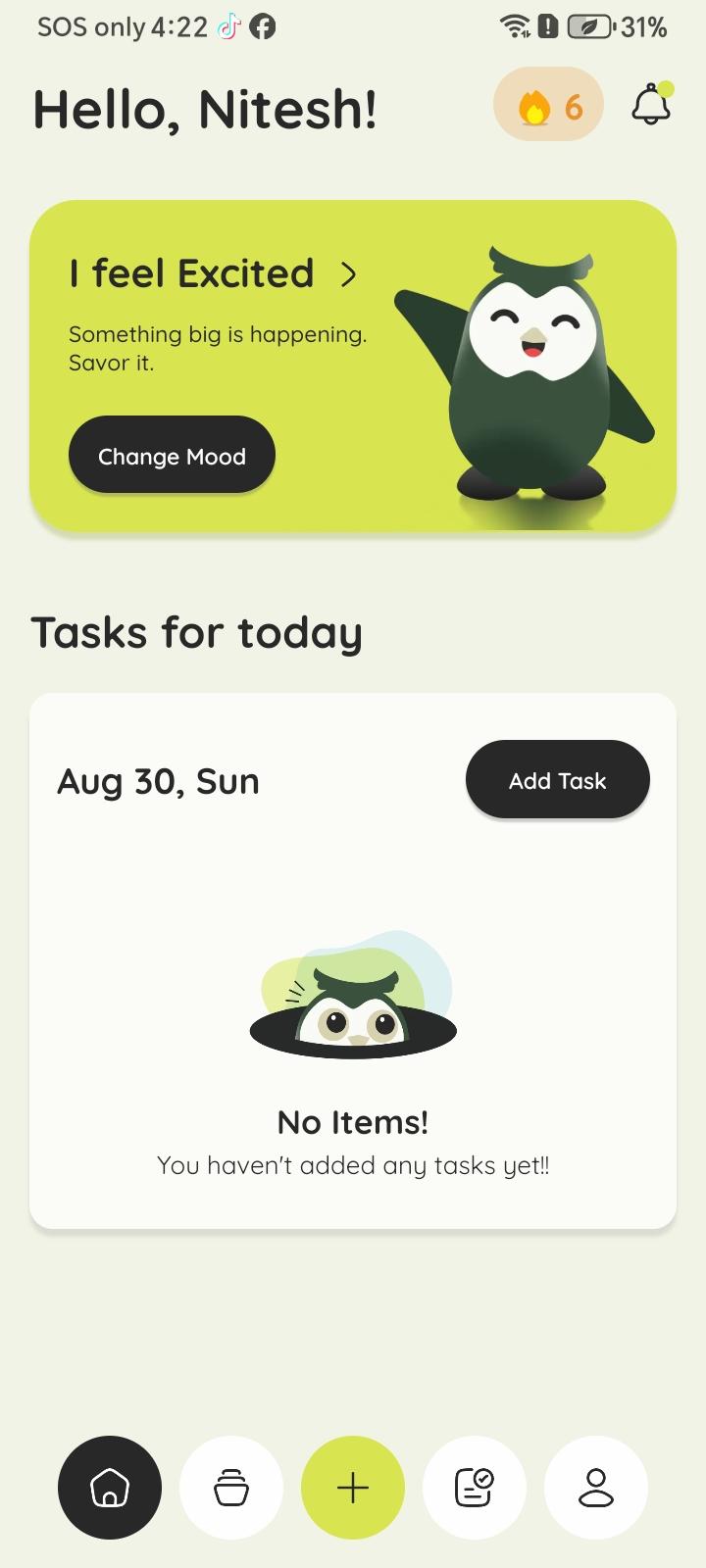
An entry becomes a task
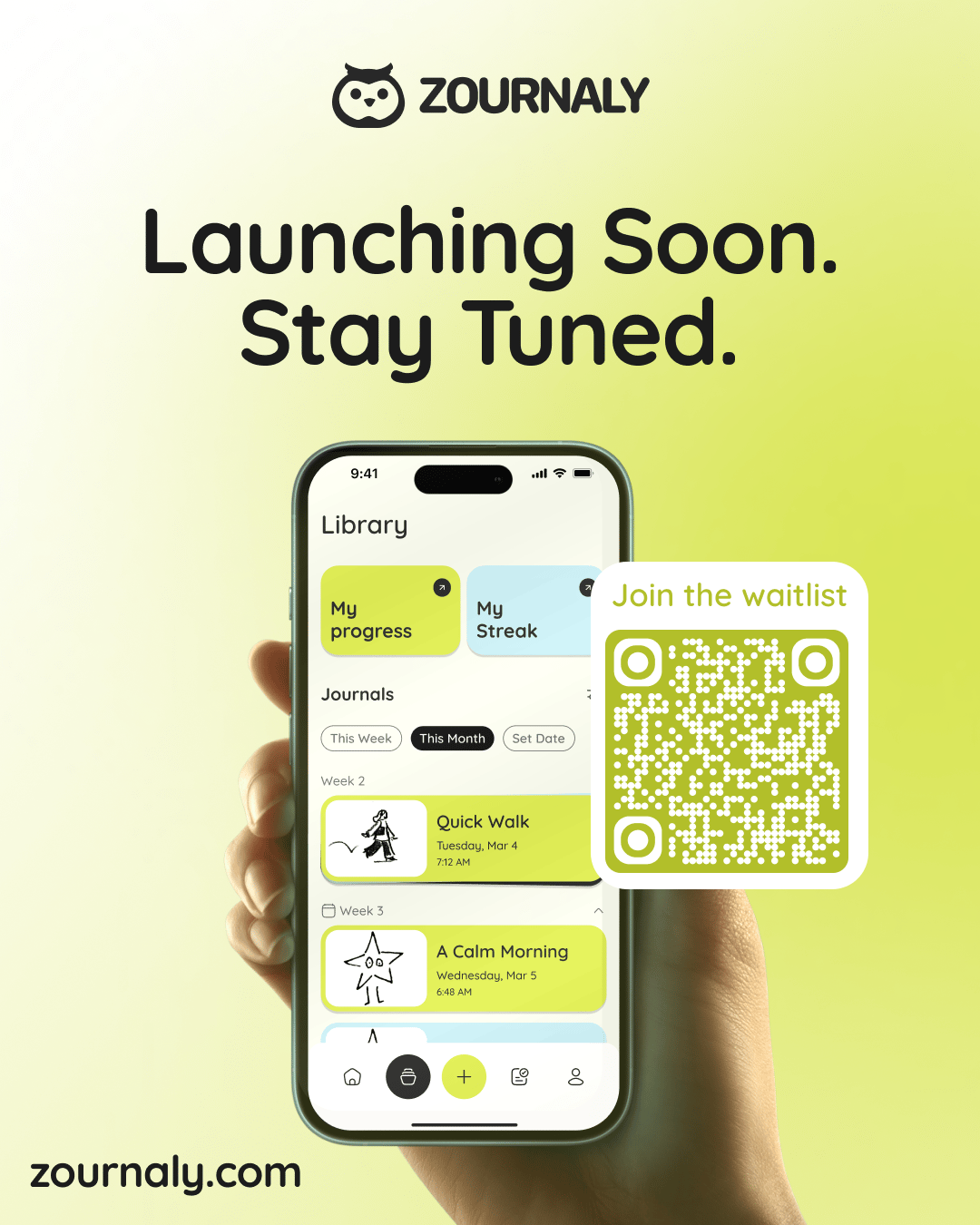
Waitlist drive
Early access, before launch
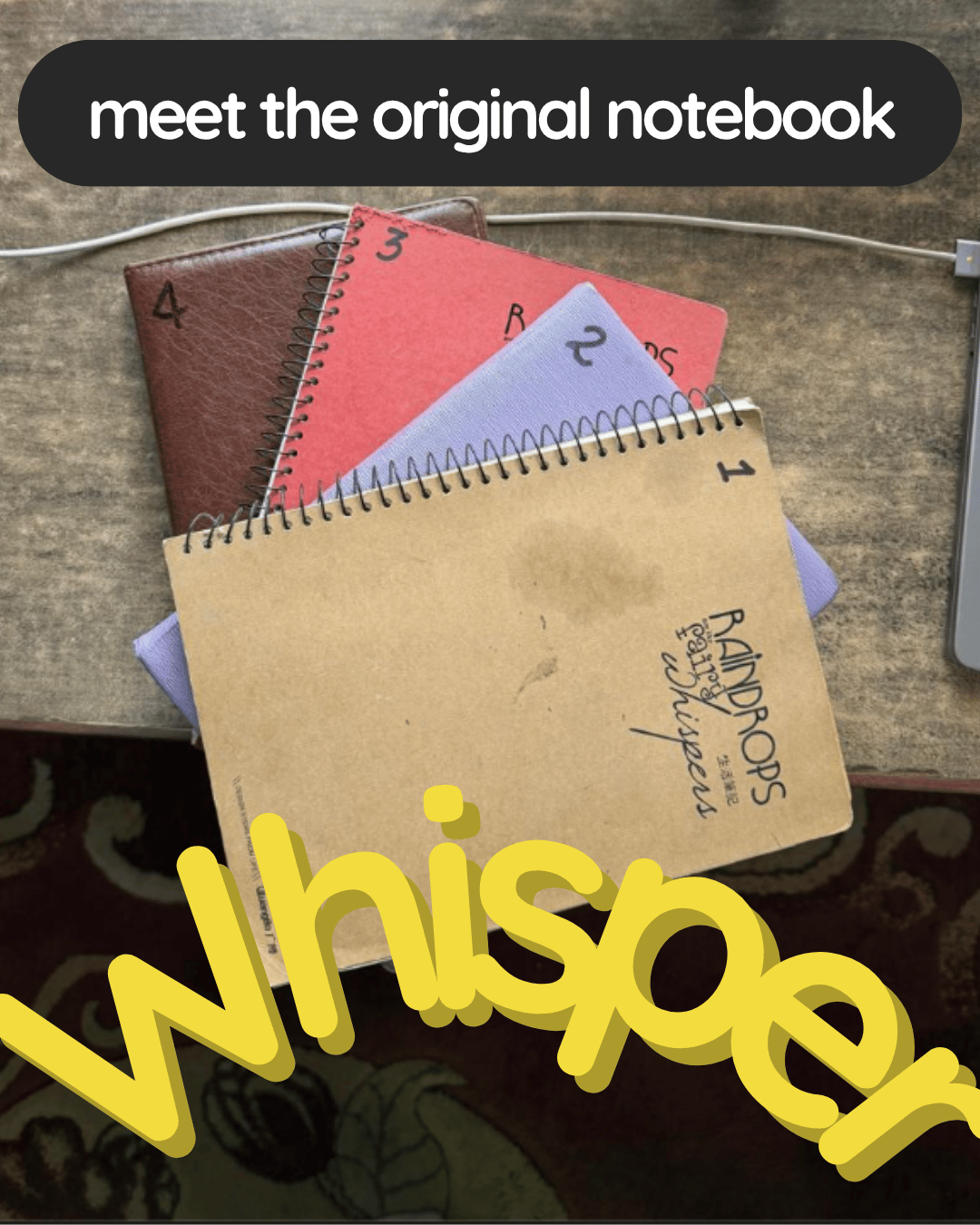
Origin post
Meet the original notebook
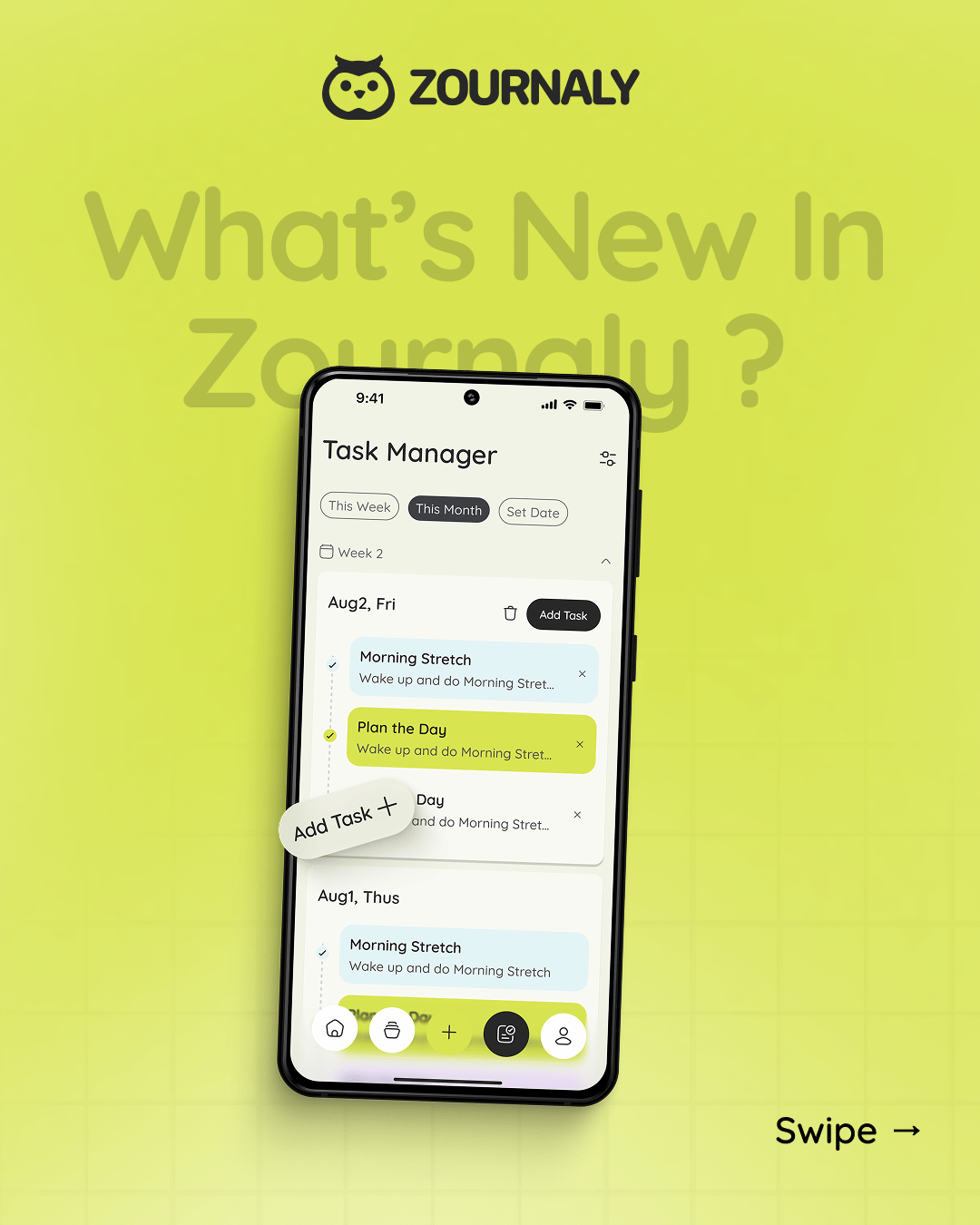
Feature carousel
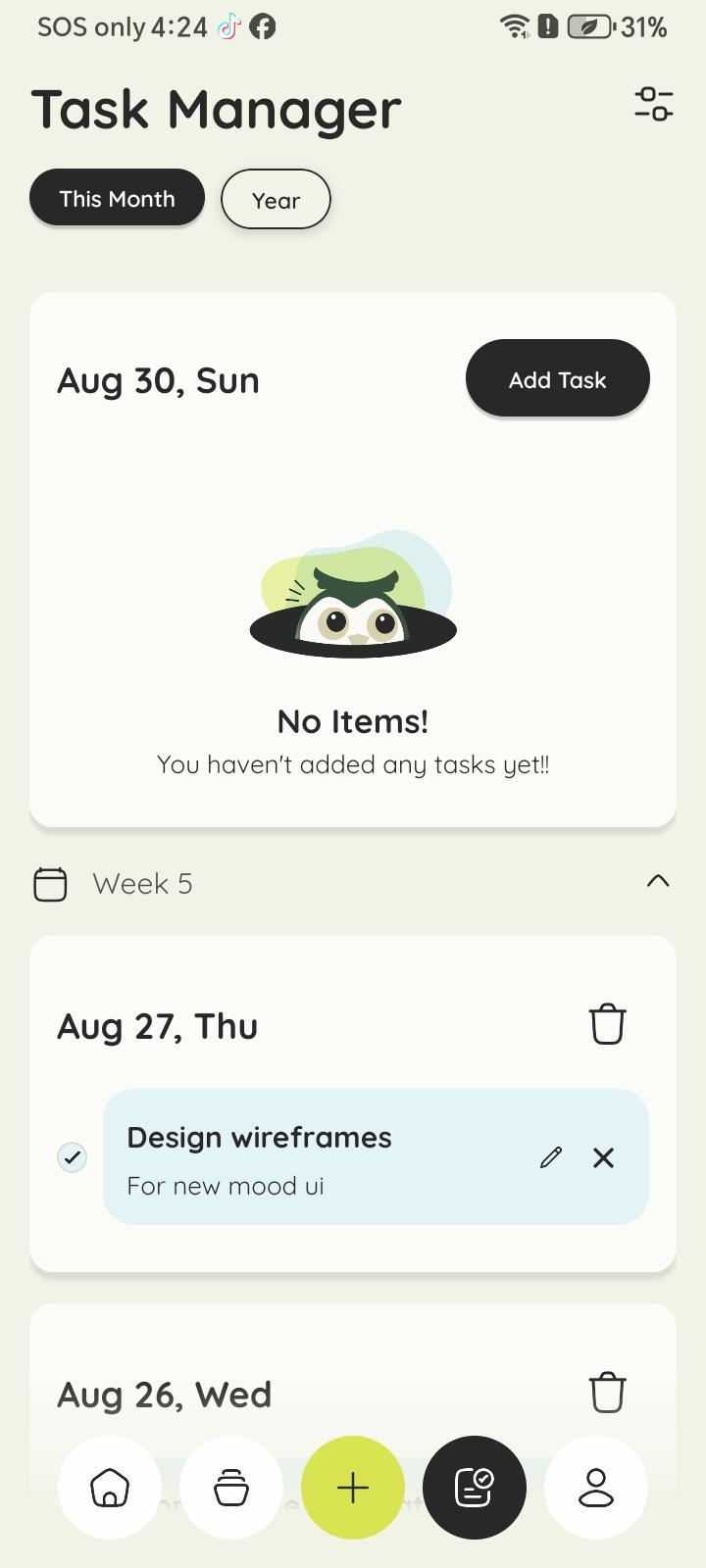
What's new: the task manager
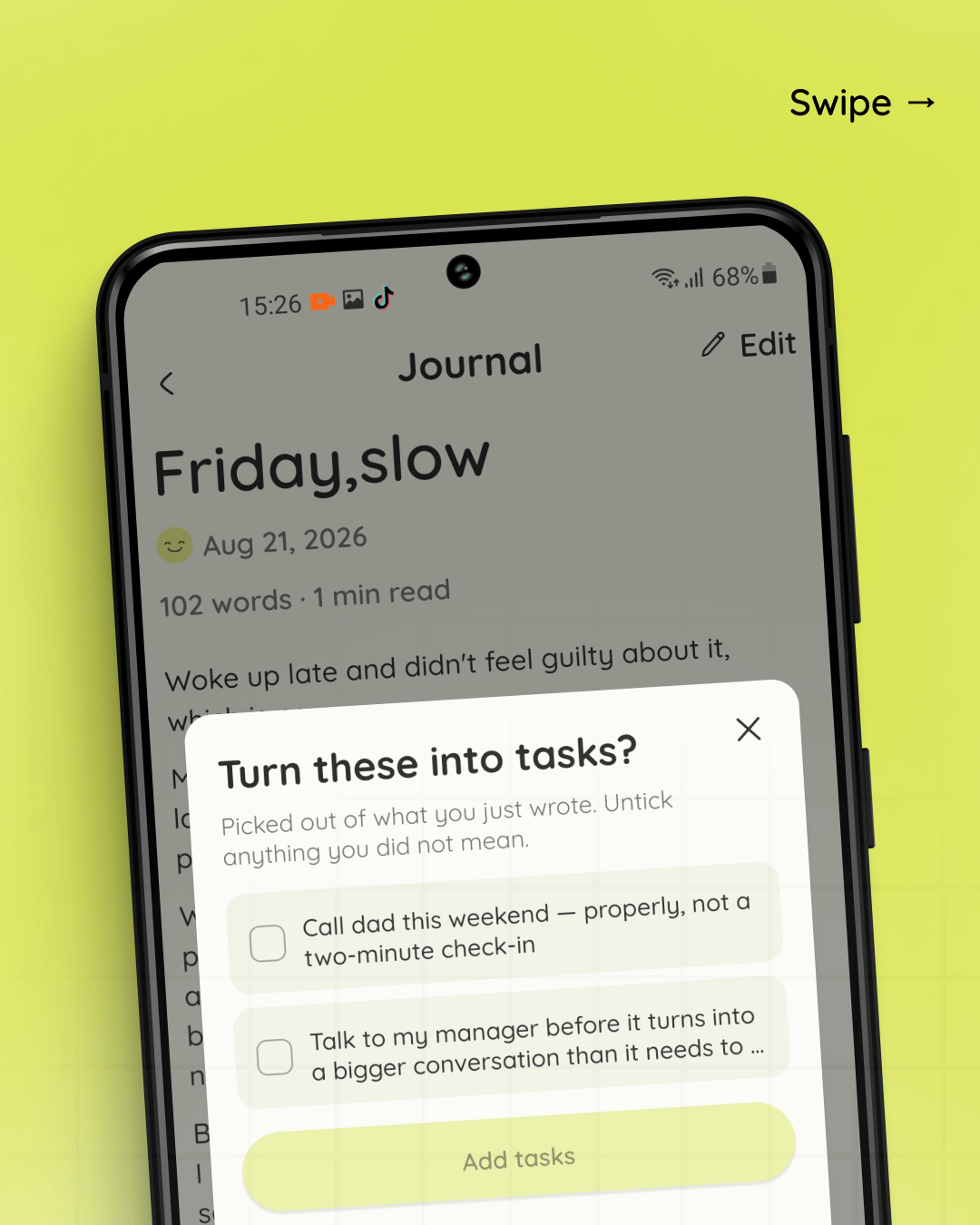
Feature carousel
Untick anything you did not mean
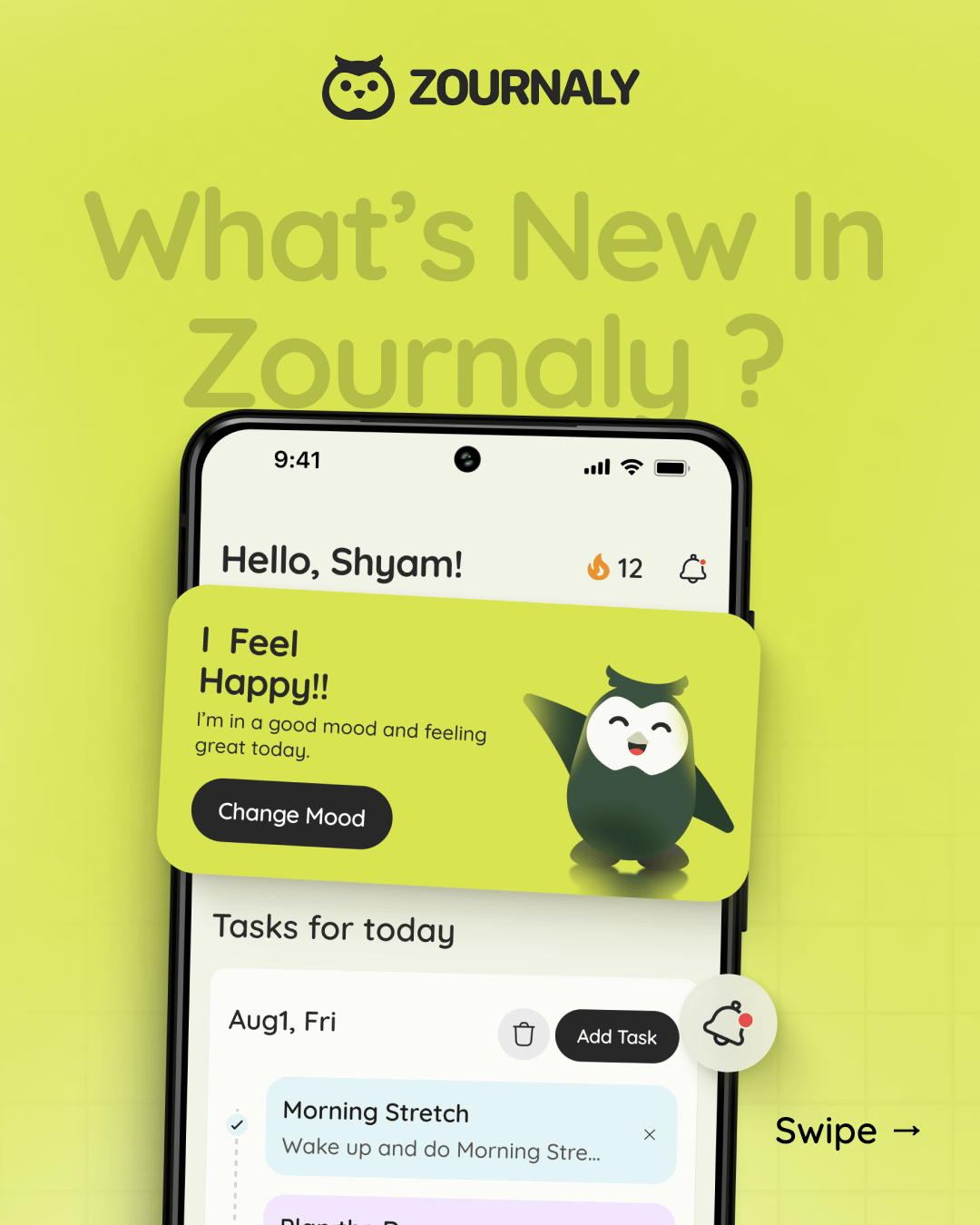
Feature carousel
What's new: the mood check-in
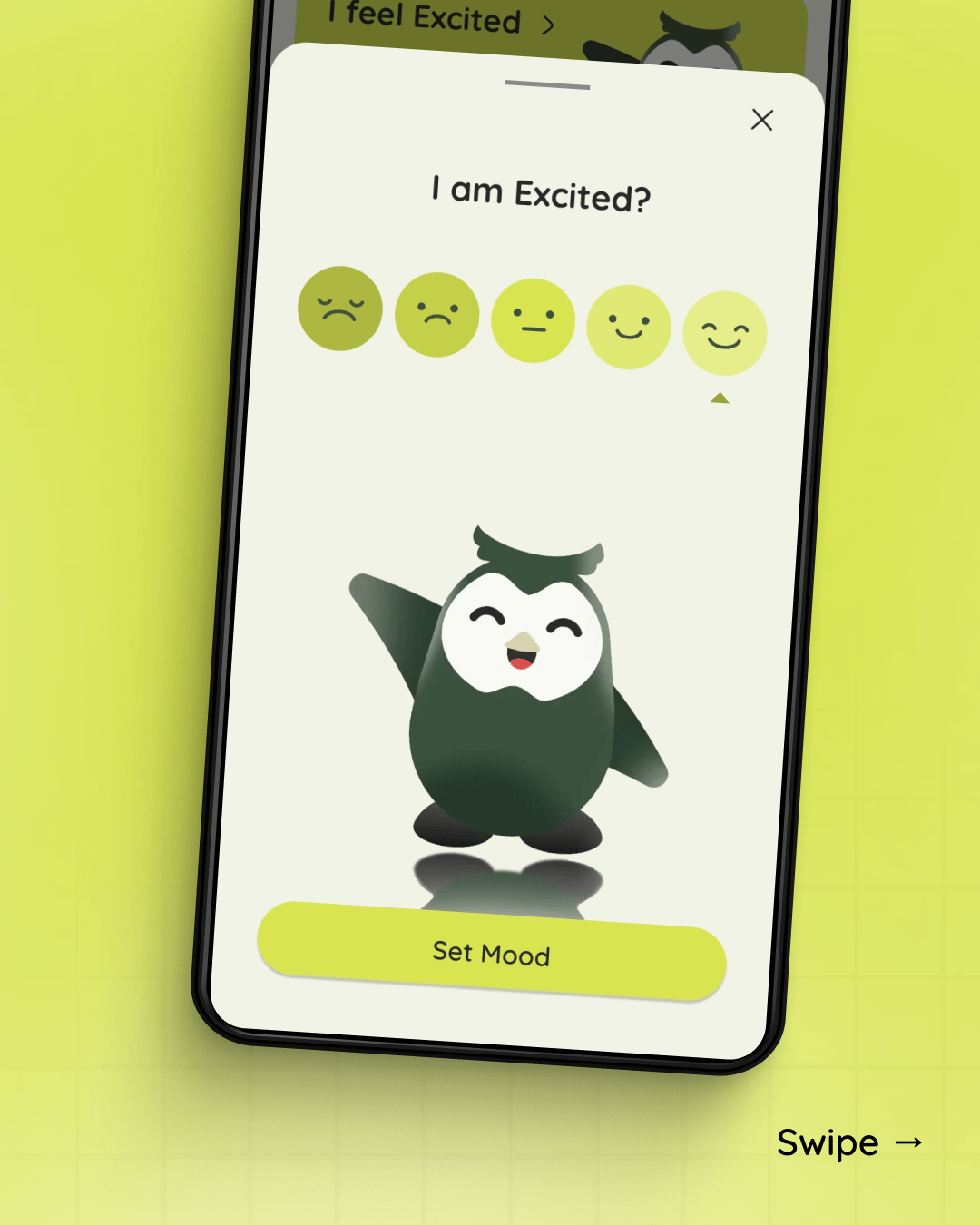
Feature carousel
Five faces, one tap
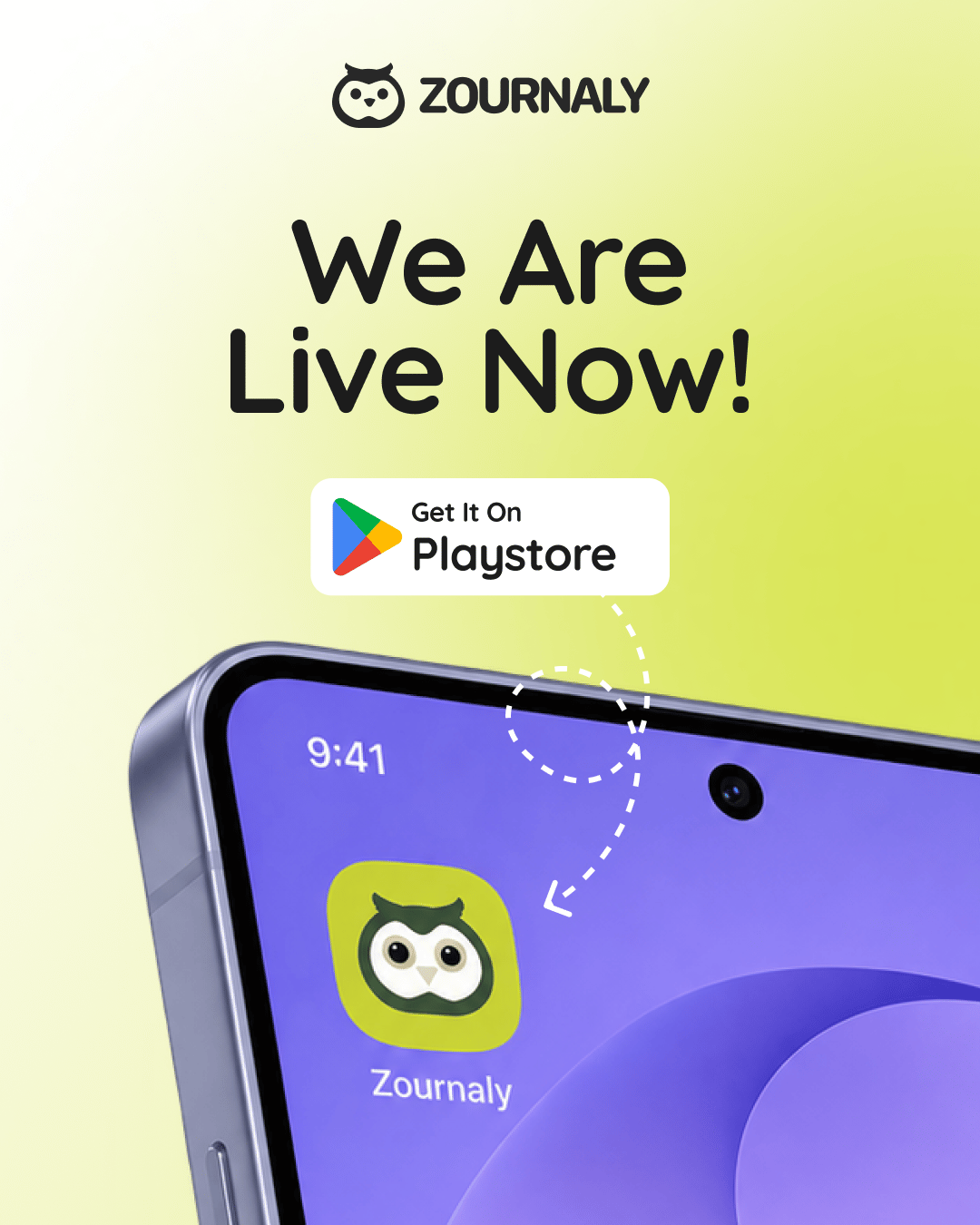
Launch post
Live on the Play Store
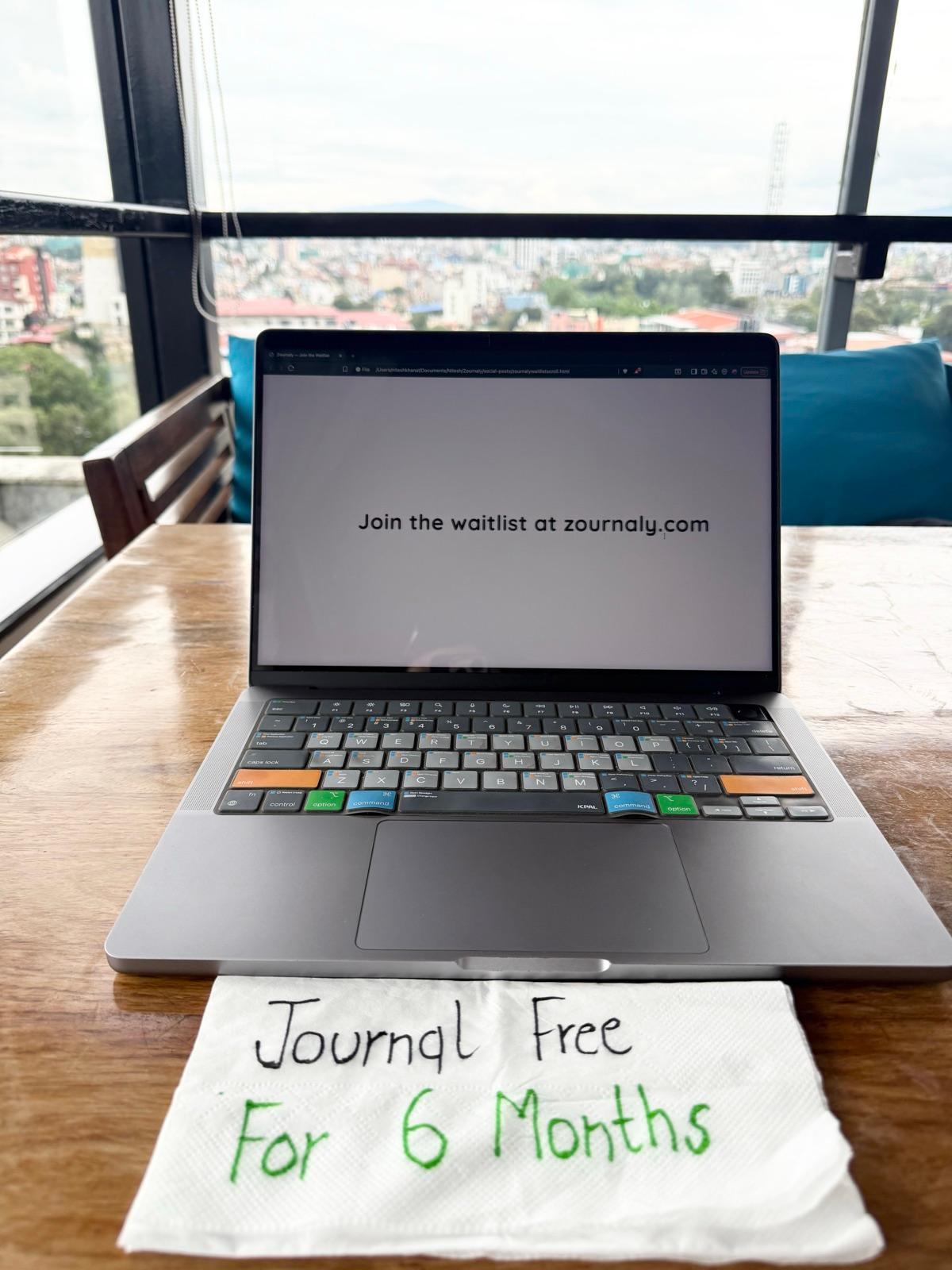
Waitlist promo
Six months free, on a napkin
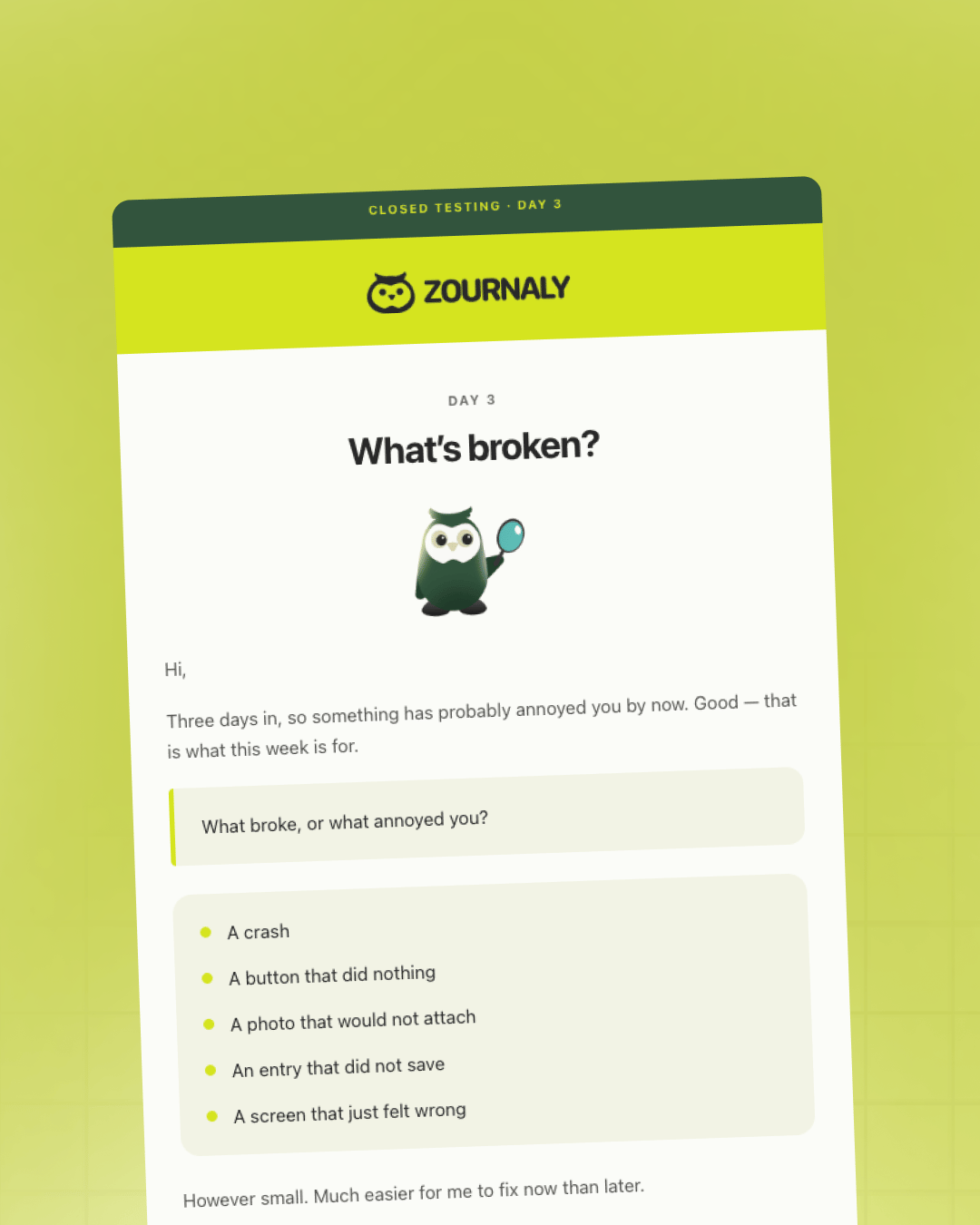
Lifecycle email
Day 3: what's broken?
Positioning
Journal. Reflect. Grow.
Feature story
An entry becomes a task
Waitlist drive
Early access, before launch
Origin post
Meet the original notebook
Feature carousel
What's new: the task manager
Feature carousel
Untick anything you did not mean
Feature carousel
What's new: the mood check-in
Feature carousel
Five faces, one tap
Launch post
Live on the Play Store
Waitlist promo
Six months free, on a napkin
Lifecycle email
Day 3: what's broken?
Most products die between the plan and the people.
Not because the idea was wrong.
- 01
The scope is a wish list
Everything is version one, so version one never arrives.
- 02
AI gets bolted on
A model is added because it demos well, not because it removes work.
- 03
Design stops at the mockup
The screens look finished. The product behind them was never decided.
- 04
Launch is an afterthought
The build ends, and nobody has been told the product exists.
One team, from first sketch to first user.
- 01A product, not a pile of deliverablesOne team holds strategy, design, engineering and launch, so decisions survive the trip from plan to production.How we work
- 02AI only where it earns the spaceWe prototype the intelligent part first and cut it if it does not save the user real work. Zournaly kept one AI feature out of several we tried.See the decision
- 03We stay past the releasePositioning, store presence, campaign creative and the first users are part of the build, not a separate project you run alone.Launch & growth
What we hold to
- 01
Useful
Technology should solve a real problem.
- 02
Simple
Powerful products should still feel easy to use.
- 03
Human
AI should enhance human capability, not remove the human experience.
- 04
Responsible
Privacy, transparency, and user trust should be considered from the beginning.
Five phases. You can stop after any of them.
Each phase ends in something you can hold: a plan, a prototype, a build, a release. No phase asks you to commit to the next one on faith.
01Shape
We argue the idea down to the smallest version that still proves the point.
Scope, risks, a build plan
02Design
Screens, flows and the words on them, decided together rather than handed over.
A clickable product
03Build
Engineering in short cycles you can open and use, not watch from a status call.
Working software, weekly
04Ship
Store listing, landing page, campaign creative, first testers in the door.
A real release
05Grow
Watch what people actually do, then cut, sharpen and ship the next thing.
Evidence for round two

The things people ask first.
If yours is not here, the contact form reaches us directly. No gatekeeping, no discovery-call funnel.
Shaping takes days, not weeks. After that you get a working build you can open on your own device every week, and a first release in the hands of testers is the target, not a demo at the end.
Let's build something worth using.
Building a startup?
Exploring a new product?
Looking to integrate AI into an existing business?
Or simply have an idea you want to explore?
Let's talk.